
What Real Estate Agents Need To Know
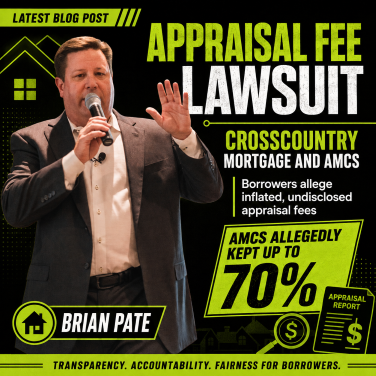
A new class-action lawsuit against CrossCountry Mortgage and an Appraisal Management Company (AMC) have brought the issue of undisclosed appraisal markups to the forefront of the real estate industry.
For real estate brokers, appraisers, and mortgage professionals, understanding the legal landscape of AMC fees is critical for protecting consumer trust.
What is the CrossCountry Mortgage Appraisal Lawsuit About?
Borrowers have filed suit against CrossCountry Mortgage and Class Valuation, alleging deceptive and unfair practices surrounding closing costs. The core of the complaint argues that homebuyers are routinely charged exorbitant “appraisal fees,” sometimes exceeding $1,000, without being informed that the AMC retains a massive portion (40%-70%) of the fee in some cases. Meanwhile, the local appraiser actually performing the work receives only a fraction of the cost.
Key Takeaways for Real Estate Professionals
When buyers see a line item for an appraisal on the Closing Disclosure (CD), they expect that money is paying for a valuation expert.
Here is why this lawsuit matters:
- Hidden Markups: Plaintiffs claim that the AMC fees provide no tangible benefit to the borrower and act as an undisclosed middleman markup.
- The TRID Loophole: Federal TRID rules currently make it optional for lenders to itemize the appraiser’s cut versus the AMC’s cut. The lawsuit argues that bunling them into one generic fee violates state deceptive trade practices laws.
- Appraiser Frustration: Appraisers have long argued that AMCs drain industry profitability, dictate unrealistic terms and inflate costs while consumers foot the bill.
- Lender Liability: If the courts rule that hiding the AMC split is a deceptive practice, it could trigger a massive shift in how mortgage lenders across the country disclose fees.
How Does This Impact Your Real Estate Clients?
At Brian Pate Seminars, we constantly teach agents that transparency is the foundation of building a referral-based business.
While agents don’t control lender disclosures, educating your buyers on how closing costs are structured helps them ask their loan officers the right questions.
Staying informed on RESPA guidelines, TRID compliance, and industry litigation protects both your real estate license and your clients’ wallets.
Do you want to stay ahead of the curve in real estate? Check out our upcoming education classes at Brian Pate Seminars.