If you follow AI video, you have probably seen the clips.
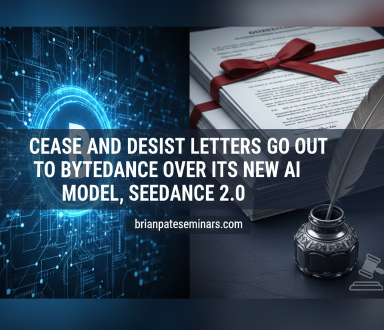
This week, The Walt Disney Company sent ByteDance a cease-and-desist letter over ByteDance’s new AI video model, Seedance 2.0. Disney says the tool is tied to copyright infringement and that it makes it too easy to generate videos using protected characters.
What Disney says is happening
Disney’s claim is straightforward: Seedance 2.0 appears to include, or at least enable, a ready supply of protected characters from Disney-owned worlds. That includes properties connected to Star Wars and Marvel Cinematic Universe.
In the early wave of examples being shared online, users generated AI videos featuring characters like Spider-Man, Darth Vader and Grogu.
Captain America vs Batman : Who is gonna win this fight?
Epic Marvel x DC crossover ⚡️ pic.twitter.com/kmOHqG0SEt
— Earth 616 (@MarvelExrth616) February 14, 2026
The industry response came fast
Hollywood’s major trade group, the Motion Picture Association, criticized Seedance 2.0 and urged ByteDance to stop what it says is infringing activity.
The actors union SAG-AFTRA also blasted the tool, saying it reflects large-scale misuse of creative work and raises serious concerns for performers.
Why this matters beyond Hollywood
This is bigger than one company beefing with another.
AI video is now good enough to copy famous “worlds” at scale, fast, and with results that look real to everyday viewers. That forces a tough question that courts, lawmakers and the public still do not agree on:
Where is the line between training and theft?
Studios argue that training on copyrighted material without permission is the original problem, and that the outputs are the visible damage. AI companies often argue that training is more like learning patterns, not copying files, and that users are responsible for misuse. What happens next with Seedance 2.0 will help shape where that line gets drawn.
There is also the cross-border reality. ByteDance is based in China, but the moment content spreads onto U.S. and European platforms, enforcement questions come right back into play.
What ByteDance is saying
ByteDance says it respects intellectual property rights and plans to strengthen safeguards to reduce unauthorized use.
Seedance 2.0 was officially announced by ByteDance’s Seed team earlier this month.
Practical takeaways for business owners using AI video
Even if you never plan to make a Spider-Man clip, this story matters for anyone using AI in marketing.
Here are a few simple rules that can keep you out of trouble:
- Do not build your brand on someone else’s characters. If your video depends on a famous franchise, you are taking on legal risk, and you do not control where that risk ends up.
- Use original concepts and original visuals. Create a character style that is “you,” not a remix of a studio’s look.
- Treat prompts like published content. If you would not put it in a paid ad, do not generate it “just for a post.”
- Be careful with real people, too. If a tool can generate a celebrity look-alike, that can trigger separate legal and ethical issues, even when copyright is not the main claim.
- Keep receipts for what you used. If you use stock footage, music, voice, images, or reference files, save licenses and permissions in a folder like you would for any marketing campaign.
The bottom line
For years, AI copyright fights were mostly press statements and angry quotes. Now the pressure is shifting into direct legal threats, and it is happening quickly.
If you use AI video for business, this is the moment to get serious about IP hygiene. Create original work, use licensed assets, and do not assume “the tool lets me” means “the law will allow it.”